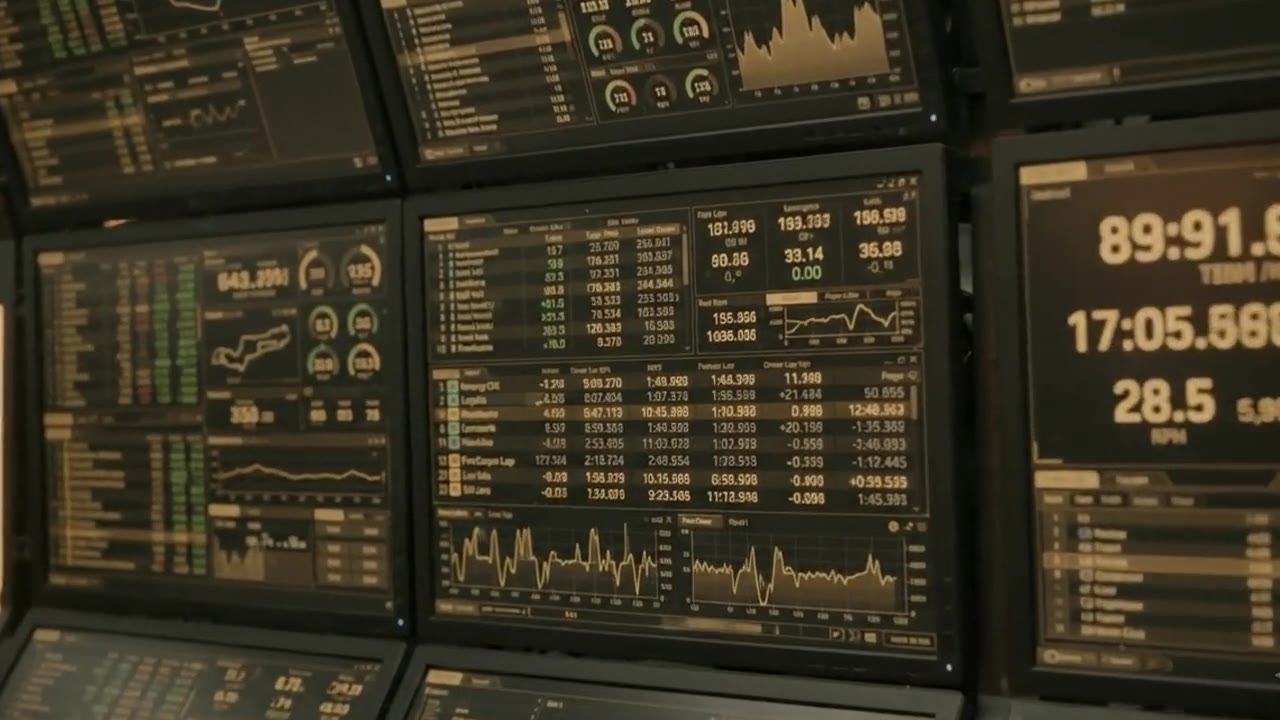
Formula 1 · Telemetry intelligence
Read the telemetry.
Model the tyre.
Call the race.
LapBox loads real session data, predicts lap time and tyre degradation, and solves strategy as a duel between two cars that both get to react — then shows its working on every call.
The engine, open source on PyPI
pip install lapbox- 01For the grandstand
One number that matters and a sentence explaining it. No stint tables, no jargon.
- 02For the pit wall
Every lap, stint and delta, fuel-corrected, with the undercut window drawn live.
- 03For the model
Training runs, loss curves and SHAP attributions behind every call the system makes.
- VER1:31.204−0.182
- NOR1:31.386+0.182
- LEC1:31.559+0.355
- Track temp41.2 °C
- PIA1:31.702+0.498
- UndercutL33–L36open
- HAM1:31.884+0.680
- Air27.8 °C
- RUS1:32.011+0.807
- SC risk18%by L38
Built on
FastF1
Session & telemetry source
XGBoost
Lap time · degradation
SHAP
Attribution
FastAPI
Typed REST surface
PostgreSQL
Processed laps
Next.js
This interface
One session, three readings
Same data. Different lens.
02 · Engineer
Everything, at pit-wall density.
Lap-by-lap pace with fuel burn corrected out, live stint state, the undercut window as it opens and closes, and the strategy call re-scored against the car you are actually racing.
- Fuel-corrected pace, dirty air priced per driver
- Undercut and overcut windows drawn as they move
- Every call audited against the rival re-planning too
Fuel-corrected pace · last 12 laps
- Gap ahead
- +2.41s
- Gap behind
- −1.08s
- Tyre age
- 14laps
- Deg rate
- 0.07s/lap
Undercut window open — laps 33 to 36
The pipeline
Four steps between a raw session and a decision you can defend.
- 01
Ingest
A whole session at once — laps, telemetry channels, weather, tyre stints — cleaned of in-laps, out-laps and anything the timing loop got wrong.
- 02
Model
Lap time and per-compound degradation, with fuel burn corrected out and dirty air priced per driver, so pace means pace.
- 03
Decide
Strategy solved as a duel: two coupled cars, every pit-wall reflex answered at its best, weighed across every lap a caution could land on.
- 04
Render
The call, the margin it wins by, and the SHAP attribution behind it — in whichever of the three lenses you are reading in.
Open source · lapbox 0.1.0
The engine behind LapBox, as a Python library.
FastF1 gives you a session’s timing and telemetry. lapbox tells you what they mean: who was quicker where, how fast each car really was once the fuel is taken out, how hard the tyres went off. When the data can’t support an answer, it says so instead of returning a confident wrong number.
pip install lapboxPython 3.11+ · MIT · charts: pip install "lapbox[plot]"
Two laps compared · from the quickstart
import fastf1
from lapbox.telemetry import compare, delta_time

session = fastf1.get_session(2025, "Silverstone", "Q")
session.load()
ver = session.laps.pick_drivers("VER").pick_fastest().get_telemetry()
nor = session.laps.pick_drivers("NOR").pick_fastest().get_telemetry()

result = compare(ver, nor, driver_a="VER", driver_b="NOR")
if result.matched:
    print(f"VER ahead by {delta_time(result.aligned).iloc[-1]:+.3f} s at the line")
    gain = result.segments.loc[result.segments["time_delta"].idxmax()]
    print(f"VER gains most from {gain.start_distance:.0f} to {gain.end_distance:.0f} m: {gain.time_delta:+.3f} s")
else:
print(f"Can't compare: laps differ by {result.residual:.0f} km/h RMS after alignment")VER ahead by +0.118 s at the line VER gains most from 2957 to 4765 m: +0.202 s
- lapbox.telemetryOne lap on its own, and two laps matched by track position.
- lapbox.dataTime conversion, laps, weather, pit stops, stints and gaps.
- lapbox.practiceRuns, qualifying simulations and long-run pace.
- lapbox.paceLap cleaning, a circuit’s representative pace, fuel-corrected pace, clean air, consistency and the ideal lap.
- lapbox.tyresPer-compound degradation, and degradation stint by stint.
- lapbox.plotPlotly figures for lapbox’s results: the optional plot extra.
- Modules
- 17
- Collection through documentation
- Tests green
- 934
- 719 backend · 215 frontend
- API endpoints
- 51
- Typed, across 17 routers
- Dashboard views
- 15
- Telemetry to explainability
Access
Bring the pit wall’s view to your screen.
Real sessions, real telemetry, and a model that shows its working. Free, no account needed — pick the lens that fits how you watch.